
By:
Larry F. Waldman, Ph.D., ABPP
Psychologist
The reasons for the current opioid epidemic are due to the following, largely unspoken, reasons:
Physicians don’t have the time (and training) to effectively deal with their patients’ pain.
Insurance companies prefer the quick, simpler treatment through medication over other longer, more complex non-medical interventions.
Our nation’s health insurance and drug companies have masterfully convinced most consumers and many providers that the majority of health care issues can be resolved with a pill, tablet or capsule.
When in pain you want fast relief. Caring physicians want to provide it. In many acute situations, like an accident or coming out of surgery, a brief regime of powerful pain medication is appropriate. On the other hand, when the pain is long-standing–such as a “bad back”—the long-term use of strong, addictive pain medications (analgesics) is decidedly dangerous.
Oxycodone, a common analgesic, is chemically quite similar to heroin—and today heroin on the street is much cheaper. Oxycodone is an addictive drug. Initially it masks the pain well. The patient is highly reinforced by the drug, medically and psychologically, as it eases the pain, may provide a sense of euphoria and may even promote sleep—at least early on.
Like any addictive drug it creates a “tolerance”—where more of the chemical is needed to get the same initial effect. Thus, patients on such pain meds over time require more and more of the drug. Many times people continue to take the medication, even after the original injury has healed, because they want to ensure they have no pain, they like/need the psychological effect of the drug, and they may go through withdrawal (which can be quite unpleasant) if they abruptly stop the drug. The real danger is that not only will high doses of “Oxy” stop pain, it will stop your heart.
As the patient begins to significantly overuse their pain meds, sooner or later their MD will stop prescribing it. This will create a crisis: I have seen good people forge prescriptions, borrow meds from family and friends, go into medicine cabinets of others and steal meds, buy “Oxy” on the street and even purchase heroin. Now you’re facing death and/or the possibility of ruining your life.
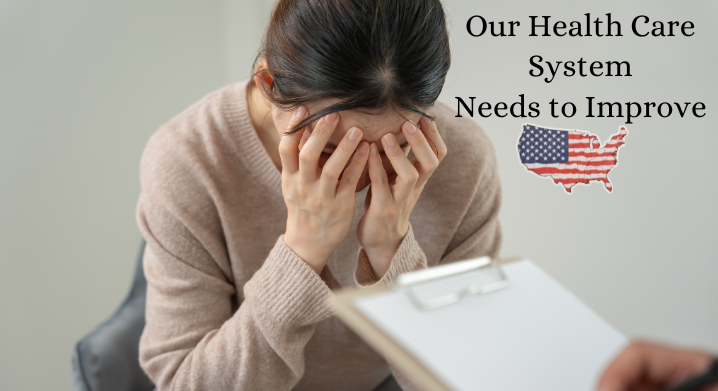
This opioid issue is the tip of the iceberg of a bigger issue, I believe. The US health care system, while the most expensive, ranks below Australia, Canada and most other European nations. Moreover, for the first time in history it was just announced that the average life expectancy for a US citizen went down (one-tenth of a year). Clearly, what we are presently doing isn’t working.
As a long-term health care provider, I remember when insurance companies simply paid for care–and they still made nice profits. Today they direct the care. It’s a classic case of the tail wagging the dog. (This is why your family doctor today can only afford to give you seven minutes of their time.) Our nation’s health must be guided by health professionals not by CPA’s, MBA’s and CFO’s.
Acupuncture, acupressure, biofeedback, occupational therapy, physical therapy, Pilates, meditation training, therapeutic weight loss, therapeutic massage, yoga, and, of course, psychotherapy, are all forms of non-medical treatments for pain. While they may be more expensive initially they are not addictive or dangerous. Moreover, these treatments educate the patient how to manage their pain beyond taking a dangerous drug
The same types of treatment are also useful for depression and anxiety, the two most common mental health issues. Nevertheless, the usual treatment is a prescription for an anti-depressant and/or a tranquilizer—which also is habit forming. Medication certainly is useful in some situations but it absolutely should not be the sole response to depression and/or anxiety.
The next time your physician recommends a medicine for your pain, ask—no demand—that your MD also write a prescription for some other appropriate non-medical intervention as an adjunct treatment. Remember, there is no education in a pill.
Larry F. Waldman, Ph.D., ABPP is a licensed clinical, forensic psychologist who practiced in Phoenix for 45 years. He worked with children, adolescents, parents, adults, and couples in a solution-focused manner. He also provided forensic consultations in the areas of family law, personal injury, and estate planning. He is a Mental Consultant to Social Security and teaches graduate courses for the School Psychology and Counseling Departments for Ottawa University. He is the author of “Who’s Raising Whom? A Parent’s Guide to Effective Child Discipline;” “Coping with Your Adolescent;” “How Come I Love Him but Can’t Live with Him? Making Your Marriage Work Better;” “The Graduate Course You Never Had: How to Develop, Manage, Market a Flourishing Private Practice—With and Without Managed Care;” “Too Busy Earning a Living to Make Your Fortune? Discover the Psychology of Achieving Your Life Goals.” and “Overcoming Your Negotiaphobia: Negotiating Your Way Through Life.” Dr. Waldman speaks professionally to educators, corporations, chiropractors, attorneys, and mental health associations on the topics of private practice management and development, parenting, marriage, and wellness. His contact information is: 602-418-8161; email: LarryWaldmanPhD@cox.net; Website: TopPhoenixPsychologist.com.









Social Contact