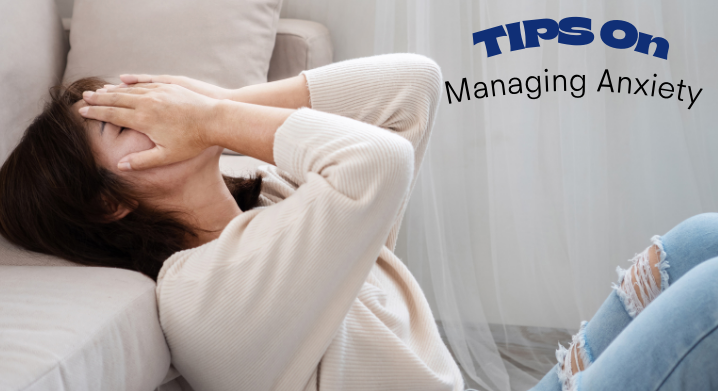
Anxiety is the second most common mental health disorder, next to depression. In many cases, depressed persons also struggle with anxiety and many anxious people feel depressed. An estimated 20 million individuals in the US regularly deal with anxiety.
Anxiety is described as a feeling of tension and/or fear. Some say anxiety is like “an impending sense of doom.”
Anxiety can cause distinct physical effects: hyperventilation, difficulty catching your breath, nausea and dizziness. When extreme, anxiety can lead to a “panic attack,” characterized as a “flood of tension” which often causes people to think they are dying. Many visits to the ER are persons thinking they are having a heart attack when, in fact, they are experiencing a panic attack. Similarly, 50% of visits to the general practitioner (GP), it has been estimated, are due to unrecognized depression and/or anxiety.
Anxiety comes in several different forms: A general feeling of tension, named generalized anxiety disorder, or GAD, is often based on the fear of failure. Social anxiety stems from discomfort with meeting and interacting with people, typically due to believing one is not good enough. Phobias are intense specific fears, the most common being agoraphobia, fear of public places, and the fear of public speaking—again, feeling inadequate. Obsessive compulsive disorder, OCD, is another form of anxiety in which the person dwells on a particular negative thought (obsesses) and then feels the strong need to do something (compulsion—like checking and re-checking) in the attempt to control the fear. Post-Traumatic Stress Disorder (PTSD) is caused by a past trauma or traumas, common to soldiers, police officers and victims of abuse or significant accidents.
Anxiety can be debilitating. It may interfere with working, education, loving, communication and recreating. What can be done?
The Medical Approach
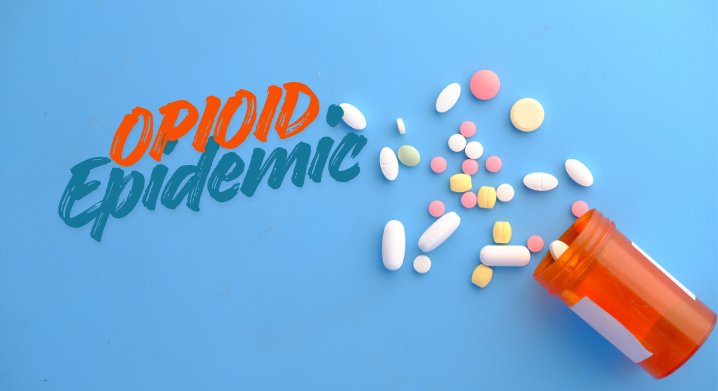
The most popular form of anxiety treatment is medication—psychopharmacology. Tranquilizers, like Klonopin and Xanax, can provide immediate short-term relief. Long-term use of tranquilizers is dangerous, though, because these medicines build a tolerance—needing more of the drug for the same effect—which leads to addiction. The recent epidemic of addiction to pain medication is a prime example of this effect.
Long-term pharmacological treatment for anxiety involves the use of antidepressants, such as Prozac, Zoloft, Paxil, Lexapro, Effexor, Celexa and several others. New antidepressants regularly come to the market because they are taken daily, typically for years, and there is a huge population that wants them.
These meds take a few weeks to become therapeutic but do not develop a tolerance and are not considered addictive. Nevertheless, if one has been taking such meds for awhile, and they want to discontinue them, they should taper off rather than stopping abruptly.
The typical medical paradigm is to prescribe a tranquilizer for 30 days along with a script for an antidepressant. In this manner the patient receives some immediate relief but once the antidepressant becomes therapeutic the tranquilizer is discontinued. Research has clearly indicated nearly 85% of these programs are implemented by primary care physicians, not psychiatrists.
The Psychological Approach
Think right. Several times in the above description of anxiety the terms “fear,” “fear of failure” and “feeling inadequate” were used. Freud said a century or so ago that depressed people rue the past and anxious individuals fear the future. These notions represent thoughts.
Cognitive psychology purports that thoughts determine our feelings. If someone thinks something will hurt them or they anticipate failure or embarrassment, they will feel anxious. Thus, much of the anxiety plaguing millions of people is the result of negative thinking: “What if _______ happens? What if I fail? This could be bad. What if I’m rejected? This could be the worst thing ever!” etc. I refer to this kind of cognition as “stinkin thinkin.”
While caution is appropriate in some situations (you won’t catch me skydiving, for example) over-cautious thinking creates anxiety and inhibits people. Daily life involves some risks (like driving). We must come to accept it. If we learn to talk to ourselves (think) in a supportive manner, we can learn to manage our feeling, moods, and anxiety.
I regularly asked clients these question to assist them in the process of challenging their negative thinking: “Will I read about this in the newspaper? Will this be a big deal 24 hours from now? Who won the Super Bowl last year? (It was a huge deal then but now not so much.) Haven’t you already gone through something worse and survived?”
Exercise. The research is clear. Exercise is an excellent, natural healthy way to combat anxiety. Numerous studies have shown that regular exercise, high in aerobics, can be as effective a treatment for anxiety as psychopharmacology.
Relaxation training. Relaxation methods can also be quite helpful in managing anxiety. Therapeutic breathing, progressive muscular tension and release, autogenics and meditation all are excellent aids in coping with anxiety.
Baby steps. Behavioral psychology argues that the best way to deal with anxiety is to go through it. Using the Behavioral technique of systematic desensitization, phobic and anxious persons learn to face their fear by taking one small step at a time. For example, an agoraphobic is directed to daily, for a week, get the mail from the mailbox and come back into the house. Once they have “survived” that, they are coached to walk to the corner and return, etc. Practicing relaxation techniques while completing their “baby steps” will facilitate the process.
By using these various approaches—medical and psychological, individually or in combination—anxiety can be successfully managed.







Social Contact